It is time to replace your siding when you notice warping, cracking, rot, fading, high energy bills, mold growth, or frequent repairs. Most siding lasts twenty to forty years depending on material. Siding remodeling services in Vancouver, WA can inspect your home, confirm the damage, and recommend whether repair or full replacement makes the most sense.
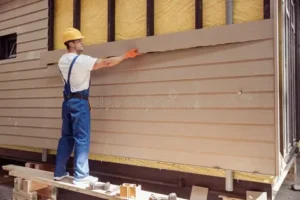
Siding does more than shape the look of your home. It protects the walls, insulation, and structure underneath from rain, wind, sun, and pests. Over time, even well-built siding wears down, and knowing when to repair it versus replace it can save homeowners thousands of dollars and prevent bigger problems down the road. This guide walks through the seven clearest warning signs, how long different siding materials actually last, what replacement typically costs, and what to expect from professional siding remodeling services in Vancouver, WA and Woodland, WA.
What Are the Key Signs You Need to Replace Your Siding?
The key signs you need to replace your siding include warping, cracking, fading color, rot, mold or mildew, rising energy bills, and frequent repair needs. Spotting these early can prevent water damage from spreading into the walls of your home.
Here are the seven signs to watch for.
- Warping or buckling. Siding that looks wavy or pulls away from the wall usually means moisture has gotten behind it. This is one of the clearest signs that replacement, not just repair, is needed.
- Cracking or splitting. Cracks let water sneak behind the siding, where it can damage the sheathing and framing of your home. A few cracks might be patched, but widespread cracking usually points to material that has reached the end of its useful life.
- Fading or chalking. Paint and color that fade unevenly, or a chalky residue that rubs off on your hand, are signs the protective coating has broken down. This is common in siding exposed to years of sun and rain.
- Rot or soft spots. Wood siding that feels soft or spongy when pressed is likely rotting from trapped moisture. Left unaddressed, rot can spread into the wall structure and become a much more expensive repair.
- Mold, mildew, or fungus growth. Green or black patches on siding, especially in shaded or damp areas, point to moisture problems that siding is supposed to prevent. Persistent mold growth after cleaning is a strong sign of failing material.
- Rising energy bills. Damaged or aging siding often lets air leak in and out of your home, forcing your heating and cooling system to work harder. If your energy bills have crept up without an obvious cause, your siding may no longer be insulating properly.
- Frequent or costly repairs. If you find yourself calling a contractor every year for a new patch or repair, the cost of ongoing maintenance may already be close to the cost of full replacement.
If your home shows two or more of these signs, it is worth scheduling a professional inspection. A licensed siding contractor can tell you whether the damage is isolated or widespread, and whether repair is still a reasonable option.
How Long Does Vinyl Siding Last?
Vinyl siding typically lasts between twenty and forty years, depending on the quality of the material, the climate, and how well it was installed. Higher-grade vinyl with UV protection tends to last longer than budget options.
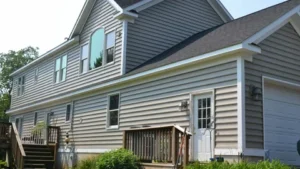
Factors that affect vinyl siding lifespan include the following.
- Sun exposure. South and west-facing walls fade and become brittle faster due to constant UV exposure.
- Installation quality. Poorly installed vinyl siding can trap moisture or crack under normal temperature changes, shortening its lifespan significantly.
- Climate. Areas with heavy rain, like the Pacific Northwest, put extra stress on seams and edges where water can get in.
- Maintenance. Regular cleaning and prompt repair of small cracks help vinyl siding reach the upper end of its expected lifespan.
- Material thickness. Thicker, higher-grade vinyl resists impact damage and warping better than thinner, budget-grade panels.
Signs that vinyl siding is nearing the end of its life include brittle panels that crack easily when touched, persistent warping, and fading that no longer responds to cleaning. Once vinyl starts cracking in multiple places, patch repairs become less practical than a full replacement.
What Is the Lifespan of Wood Siding?
Wood siding lifespan typically ranges from twenty to forty years with proper maintenance, though some well-maintained wood siding can last even longer. Without regular upkeep, wood siding can deteriorate in as little as ten to fifteen years.
Wood siding requires more active care than vinyl or fiber cement, including the following.
- Repainting or restaining every three to seven years, depending on sun and weather exposure
- Sealing to protect against moisture absorption, especially in wet climates
- Prompt repair of cracks or gaps before water can get behind the boards
- Regular inspection for signs of insect damage, particularly from carpenter ants or termites
- Cleaning to remove mold, mildew, and dirt buildup that traps moisture against the wood
Because wood is a natural material, it responds directly to moisture and temperature changes. In a climate like the Pacific Northwest, where rain is frequent for much of the year, wood siding installation in Vancouver, WA benefits from careful attention to sealing, drainage, and ventilation behind the boards to prevent trapped moisture. Homeowners who love the natural, classic look of wood siding often find that the extra maintenance is worth it, especially when the work is done by an experienced local contractor familiar with the region’s weather patterns.
How Much Does Siding Replacement Cost?
Siding replacement costs typically range based on the size of the home, the material chosen, and the amount of existing damage or repair work needed underneath. Vinyl siding is generally the most budget-friendly option, wood siding costs more due to material and labor, and fiber cement falls in the middle to upper range because of its durability and finish quality.
Several factors influence the final cost of a siding project.
- Material choice. Vinyl is typically the most affordable, wood siding costs more upfront, and fiber cement sits in a higher price range due to its longevity and low maintenance needs.
- Home size. Larger homes require more material and labor hours, which increases the total project cost.
- Removal of old siding. Tearing off and disposing of existing siding adds to the cost, especially if there is hidden damage to address.
- Underlying repairs. If the inspection reveals rot, mold, or damaged sheathing, repairing that structure before installing new siding adds to the total price.
- Style and detailing. Custom trim, shutters, and architectural details around windows and doors can add to labor time and cost.
- Local labor rates. Costs vary by region, so getting a quote from a local contractor familiar with Vancouver, WA and Woodland, WA pricing gives the most accurate picture.
Because every home is different, the most reliable way to get an accurate cost estimate is a free, in-person inspection and quote from a trusted siding contractor. A written estimate should break down material costs, labor, removal, and any additional repair work so there are no surprises once the project begins.
What Is Involved in Siding Remodeling Services?
Siding remodeling services in Vancouver, WA generally involve a home inspection, material selection, removal of old siding, repair of any underlying damage, and professional installation of new siding designed to protect and refresh the home’s exterior.
A typical siding remodeling project includes the following steps.
- Initial inspection. A contractor examines your current siding, looking for warping, rot, mold, and other signs of damage, along with checking the condition of the sheathing underneath.
- Material consultation. You review options such as vinyl, wood, or fiber cement, along with color and style choices that match your home and neighborhood.
- Detailed estimate. You receive a written quote covering materials, labor, removal, and any repairs needed before installation.
- Removal of old siding. The existing siding is carefully removed, exposing the wall structure underneath for inspection and repair.
- Repair of underlying issues. Any damaged sheathing, insulation, or framing is addressed before new siding goes up, which prevents problems from being sealed in behind new material.
- Installation of new siding. New panels or boards are installed according to manufacturer specifications, with attention to proper sealing, flashing, and ventilation.
- Final walkthrough. The contractor reviews the completed work with you, addressing any questions and confirming the project meets expectations.
Choosing a contractor who handles the entire process, from inspection through final walkthrough, reduces the chances of miscommunication and ensures the underlying structure is properly addressed rather than simply covered up with new panels.
How Do You Find Reliable Siding Installation Services Near Me?
Finding reliable siding installation services near me starts with checking for proper licensing, insurance, local experience, and clear, itemized estimates. A trustworthy contractor will walk you through the inspection findings and explain your options honestly, rather than pushing the most expensive material.
When evaluating siding installation services, look for the following.
- Licensing and insurance. Confirm the contractor is licensed to work in Washington and carries liability insurance to protect your property during the project.
- Local experience. A contractor familiar with Vancouver, WA and Woodland, WA understands regional weather patterns, building codes, and common siding issues in the area.
- Clear estimates. A detailed, written estimate should break down materials, labor, and any additional repair costs.
- Portfolio of past work. Photos of completed projects, especially homes similar to yours, help set realistic expectations.
- Warranty information. Ask about both the manufacturer’s material warranty and the contractor’s workmanship warranty.
- Communication style. A contractor who answers questions clearly and does not rush you into a decision is generally more trustworthy than one who pressures you.
Getting at least two or three quotes before committing to a project helps you compare pricing, timelines, and communication style, giving you a clearer sense of which contractor is the right fit for your home.
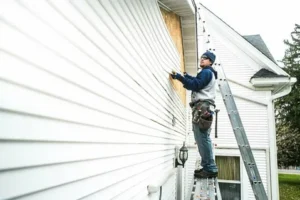
What Should You Know About Wood Siding Installation in Vancouver, WA?
Wood siding installation in Vancouver, WA requires extra attention to moisture management, given the region’s frequent rainfall and humid stretches throughout the year. Proper installation includes correct spacing, sealing, and ventilation to keep wood siding performing well for decades.
Homeowners considering wood siding in Vancouver should keep the following in mind.
- Moisture barriers matter. A properly installed moisture barrier behind wood siding helps prevent trapped water from causing rot over time.
- Ventilation gaps. Leaving space behind the siding allows moisture to escape rather than becoming trapped against the wood.
- Local wood species. Cedar and other naturally rot-resistant wood species tend to perform better in the wet climate of Vancouver, WA than less resistant alternatives.
- Seasonal timing. Installing siding during drier months can help ensure the wood is properly sealed before heavy rain returns.
- Ongoing maintenance plan. Because wood requires more care than vinyl or fiber cement, working with a contractor who explains a realistic maintenance schedule helps homeowners protect their investment.
Vancouver’s climate makes proper installation especially important. A contractor experienced in this specific region will know how to plan around the rainy season and choose techniques that reduce long-term moisture risk.
What Siding Remodeling Options Are Available in Woodland, WA?
Siding remodeling in Woodland, WA includes the same core material options as Vancouver, vinyl, wood, and fiber cement, along with local installation expertise suited to the town’s mix of rural and residential properties. Homeowners in Woodland can expect the same thorough inspection and consultation process, tailored to their property type.
Woodland homeowners exploring siding remodeling often consider the following.
- Larger properties and outbuildings. Many homes in Woodland sit on larger lots, sometimes with additional structures like garages or barns that may also need siding work.
- Rural weather exposure. Properties further from town may face more direct wind and weather exposure, which can affect material choice and installation approach.
- Style consistency. Matching new siding to the character of older homes in the area is a common priority for Woodland homeowners.
- Scheduling flexibility. Local contractors familiar with Woodland can often coordinate delivery and installation timelines around rural road access and property layout.
Whether the project involves a full siding replacement or a partial remodel focused on a specific section of the home, working with a contractor experienced in both Woodland and Vancouver ensures consistent quality no matter where in the region your home is located.
When Should You Choose Siding Repair Over Replacement?
Siding repair makes sense when damage is limited to a small, isolated area and the rest of the siding is still in good condition. Replacement becomes the better option when damage is widespread, the material is near the end of its expected lifespan, or repairs have become frequent and costly.
Consider repair when the following apply.
- Damage is limited to one or two panels or sections
- The siding is still within its expected lifespan
- There are no signs of widespread rot, mold, or warping
- The repair cost is significantly lower than a full replacement
Consider replacement when the following apply.
- Damage appears in multiple areas across the home
- The siding is near or past its expected lifespan
- You are already dealing with frequent repair calls
- Energy bills have risen due to poor insulation from aging siding
- You want to update the look of your home or switch to a more durable material
A professional inspection is the most reliable way to determine which path makes sense. Siding repair services near me can typically resolve small, isolated issues quickly and affordably, while a full siding remodeling project addresses widespread damage and gives your home a fresh, long-lasting exterior.
Vinyl vs. Wood vs. Fiber Cement Siding Comparison
| Feature Metric | Vinyl Siding | Wood Siding | Fiber Cement Siding
|
|---|---|---|---|
| Average Lifespan | Reliable Longevity 20 to 40 years Provides decadal performance with standard home endurance, ensuring long-term structural enclosure without immediate replacement concerns. | Preserved Value 20 to 40 years (with care) Delivers durable service over decades when properly preserved, offering long-term structural utility alongside timeless architectural value. | Maximum Durability 30 to 50 years Offers superior longevity that outlasts standard materials, significantly delaying the need for full exterior replacement. |
| Maintenance Level | Hassle-Free Care Low (occasional cleaning) Saves significant time and upkeep costs; requires only routine water spraying to maintain clean aesthetics. | Customizable Finish High (regular painting/sealing) Allows homeowners to refresh colors and finishes periodically, keeping the home exterior completely customized over time. | Low-Effort Resilience Low to Moderate Requires minimal attention compared to wood, freeing up household budget and weekends while preserving exterior strength. |
| Moisture Resistance | Rot-Proof Surface Good (proper installation) Naturally impervious to water damage and rot, eliminating mold degradation when properly fitted. | Breathable Integrity Requires sealing & ventilation Properly sealed wood manages moisture effectively while allowing natural building breathability. | Weather-Tough Guard Very Good Resists severe climate moisture, preventing swelling, warping, and rot even in humid or wet environments. |
| Upfront Cost | Budget-Friendly Entry Lower initial investment Minimizes immediate capital expenditure, making exterior remodeling highly accessible and affordable. | Premium Investment Moderate to High Reflects a high-value real estate investment that elevates initial curb appeal and property distinction. | High-Return Equity Moderate to High Delivers high ROI by converting upfront capital into long-term structural protection and market value. |
How Do You Choose the Right Siding Contractors Near Me?
Choosing the right siding contractors near me means comparing licensing, experience, warranty coverage, and communication before signing a contract. The right contractor should feel like a partner in the process, not just someone completing a transaction.
Steps to find the right contractor include the following.
- Ask for local references. Speaking with past customers in Vancouver, WA or Woodland, WA gives you honest feedback about quality and reliability.
- Compare written estimates. Look beyond the bottom-line price and compare what materials, labor, and warranty coverage are included.
- Check reviews and ratings. Online reviews can reveal patterns in communication, timeliness, and workmanship quality.
- Ask about project timelines. A clear, realistic timeline helps you plan around the disruption of a remodeling project.
- Confirm warranty details. Understand what is covered under both the material manufacturer’s warranty and the contractor’s own workmanship guarantee.
- Trust your communication experience. A contractor who listens to your questions and explains options clearly is more likely to deliver a smooth project overall.
Taking the time to compare a few contractors before committing can make the difference between a stressful remodeling experience and a smooth one that leaves you happy with the results for decades to come.
What Happens During a Siding Inspection?
A siding inspection involves a contractor examining the exterior of your home for signs of damage, checking seams and edges for gaps, and, when needed, looking beneath the siding for hidden moisture or structural issues. This step forms the foundation for an accurate repair or replacement recommendation.
During a typical inspection, a contractor will do the following.
- Walk the full perimeter of the home, checking each wall for visible damage
- Test soft or suspicious areas for rot or moisture using a moisture meter
- Examine trim, corners, and areas around windows and doors, where leaks are common
- Check for gaps, cracks, or separation between panels or boards
- Look for signs of pest activity, particularly around wood siding
- Take photos to document findings and support the written estimate
A thorough inspection protects you from surprises once the project begins. It also gives you a clear, documented explanation of why repair or replacement is being recommended, rather than a vague suggestion to “replace everything.”
Frequently Asked Questions
Q: How do I know if I need siding repair or full replacement?
If damage is limited to a small area and the rest of your siding is in good shape, repair is usually enough. If damage is widespread, or your siding is near the end of its expected lifespan, replacement is typically the better long-term choice.
Q: How long does vinyl siding last compared to wood siding?
Vinyl siding typically lasts twenty to forty years with minimal maintenance, while wood siding lifespan also falls in the twenty to forty year range but depends heavily on regular sealing, painting, and upkeep.
Q: How much does siding replacement typically cost?
Cost depends on home size, material choice, and any underlying repairs needed. Vinyl is generally the most affordable option, while wood and fiber cement cost more upfront but offer different long-term benefits.
Q: Is wood siding a good choice for the Vancouver, WA climate?
Yes, with proper installation, moisture barriers, and regular maintenance, wood siding can perform well even in a wet climate like Vancouver, WA. Choosing a contractor experienced in local weather conditions helps ensure long-term durability.
Conclusion
Your siding is one of the hardest-working parts of your home, protecting everything underneath from weather, moisture, and everyday wear. Watching for the seven signs covered here, warping, cracking, fading, rot, mold, rising energy bills, and frequent repairs, can help you catch problems early and decide whether repair or full replacement is the right move. Whether you are exploring wood siding installation in Vancouver, WA or planning a siding remodeling project in Woodland, WA, a professional inspection is the best starting point. Reach out to Pro Construct LLC today to schedule your siding inspection and get a clear, honest plan for protecting and refreshing your home’s exterior.